Site Development & Land
Land Development Feasibility Study
Before you buy land, an engineer checks zoning, utilities, access, flood zones, soils and costs to see what can actually be built. Typical US fees run $2,500 to $25,000, and most projects take 2 to 6 weeks, often timed to the purchase contract due diligence period.
What the work involves
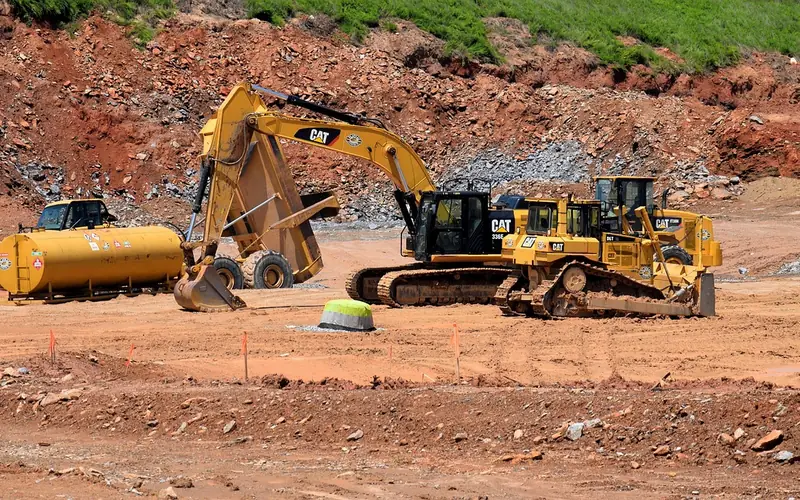
A due diligence or feasibility study reviews a parcel's zoning, setbacks, utility availability and capacity, road access, floodplain and wetland constraints, soils, topography and permitting path, then estimates a buildable area and order-of-magnitude site costs. It often includes a conceptual site layout or lot yield. The result helps a buyer or lender decide whether the price makes sense and what approvals will take before the purchase closes.
When you need it
- Considering buying raw land or a redevelopment site
- Need to know how many lots or how much building area fits
- Unclear whether water, sewer or road access is available
- Parcel may contain wetlands, floodplain or steep slopes
- Lender or investor wants a due diligence report
What you receive
- Feasibility report
- Conceptual site layout or lot yield
- Utility availability summary
- Permitting and approval timeline
- Order-of-magnitude site cost estimate
What drives the cost
Estimate. Small single-lot checks can be a few thousand dollars; multi-acre commercial due diligence with a conceptual plan and agency meetings costs more. Surveys, Phase I ESA and geotechnical work are usually separate.
Frequently asked questions
How much does land Development Feasibility Study cost?
Across the US, land Development Feasibility Study usually costs $2,500 to $25,000. Estimate. Small single-lot checks can be a few thousand dollars; multi-acre commercial due diligence with a conceptual plan and agency meetings costs more. Surveys, Phase I ESA and geotechnical work are usually separate.
How long does land Development Feasibility Study take?
Plan on 2 to 6 weeks, often timed to the purchase contract due diligence period from signed proposal to stamped deliverables, longer if a site visit, soil testing or a permit review cycle is involved.
Is a permit required for land Development Feasibility Study?
Often not on its own, but the findings frequently lead to work that does need a permit. We tell you which parts of the follow-up work your local building department will review, and can prepare those drawings too.
Will I also need a land surveyor?
Sometimes. Depending on the site, land Development Feasibility Study can also involve a land surveyor, environmental consultant, geotechnical engineer, land use attorney or planner. We tell you up front which other professionals your project needs and coordinate with them so the drawings agree.
Who do you provide land Development Feasibility Study for?
Most of our clients for this service are developers, homeowners, lenders and attorneys. Describe your project and one of our engineers will reply with scope, fee and schedule.
When should I order a feasibility study?
During the due diligence period of the purchase contract, before deposits become nonrefundable. Ask your engineer how long the work takes and negotiate enough time.
What makes a site infeasible?
Common deal breakers are no sewer capacity or failed perc tests, no legal access, large wetlands or floodplain, and zoning that does not allow the intended use. Some of these can be solved at a cost, which is why the study also estimates what fixes would take.
Does a feasibility study include a survey?
Usually not. The engineer often starts from public GIS and flood map data, and recommends a boundary and topographic survey if the purchase moves forward.
Will the study tell me development cost?
It typically gives an order-of-magnitude estimate. Accurate costs come later from engineered plans and contractor bids.
Where we provide this service
 Alabama
 Alaska
 Arizona
 Arkansas
 California
 Colorado
 Connecticut
 Delaware
 District of Columbia
 Florida
 Georgia
 Hawaii
 Idaho
Idaho Illinois
 Indiana
 Iowa
Iowa Kansas
 Kentucky
 Louisiana
 Maine
Maine Maryland
 Massachusetts
 Michigan
 Minnesota
 Mississippi
 Missouri
 Montana
 Nebraska
 Nevada
 New Hampshire
 New Jersey
 New Mexico
 New York
 North Carolina
 North Dakota
 Ohio
Ohio Oklahoma
 Oregon
 Pennsylvania
 Rhode Island
 South Carolina
 South Dakota
 Tennessee
 Texas
Texas Utah
Utah Vermont
 Virginia
 Washington
 West Virginia
 Wisconsin
 Wyoming