Site Development & Land
Subdivision Engineering and Plat Support
Engineering for dividing land into lots: lot layout, streets, utilities, stormwater and the approvals needed to record a plat. Typical US fees run $300 to $10,000 per lot, and most projects take 3 to 12 months including approvals. Our drawings, calculations and reports are sealed by a Professional Engineer (PE) licensed in the state where your project is located, ready for permit submission.
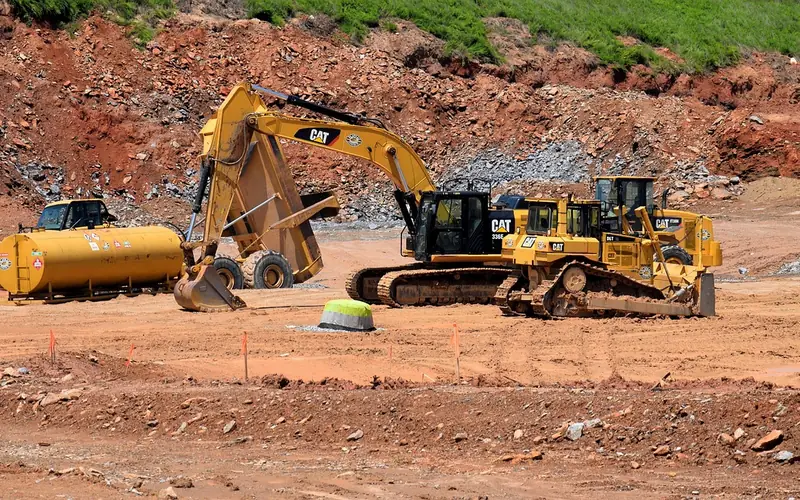
What the work involves
Subdivision work combines lot layout, street design, water and sewer extensions, stormwater management and grading into a set of construction plans, while a licensed land surveyor prepares the plat that is recorded. The engineer guides the project through preliminary and final plat approval, prepares cost estimates for performance bonds, and supports construction. Large subdivisions also involve traffic studies, wetland permits and utility agreements.
When you need it
- Dividing land into multiple buildable lots
- New public or private streets are needed
- Water, sewer or septic must be planned for each lot
- Stormwater detention is required
- Jurisdiction requires preliminary and final plat approval
What you receive
- Preliminary plat and layout
- Street, grading and utility construction plans
- Stormwater report
- Engineer's cost estimate for bonding
- Coordination of final plat with surveyor
What drives the cost
Estimate. Fixr lists surveyor subdivision plats at about $300 to $400 per lot; full engineering for streets, utilities and stormwater is much higher per lot and varies with lot count and site complexity.
Related calculators
Frequently asked questions
How much does subdivision Engineering and Plat Support cost?
Across the US, subdivision Engineering and Plat Support usually costs $300 to $10,000 per lot. Estimate. Fixr lists surveyor subdivision plats at about $300 to $400 per lot; full engineering for streets, utilities and stormwater is much higher per lot and varies with lot count and site complexity.
How long does subdivision Engineering and Plat Support take?
Plan on 3 to 12 months including approvals from signed proposal to stamped deliverables, longer if a site visit, soil testing or a permit review cycle is involved.
Do I need a licensed PE for subdivision Engineering and Plat Support?
In most US jurisdictions, yes. When the work needs a permit, the plans, calculations or report usually must be sealed by a Professional Engineer licensed in the state where the project is located. Every deliverable we issue for permit is sealed that way.
Will I also need a land surveyor?
Sometimes. Depending on the site, subdivision Engineering and Plat Support can also involve a land surveyor, land use attorney, planner, traffic engineer or environmental consultant. We tell you up front which other professionals your project needs and coordinate with them so the drawings agree.
Who do you provide subdivision Engineering and Plat Support for?
Most of our clients for this service are developers, homeowners and attorneys. Describe your project and one of our engineers will reply with scope, fee and schedule.
Who draws the plat, the engineer or the surveyor?
The recorded plat is prepared and sealed by a licensed land surveyor. The civil engineer designs improvements such as streets, utilities and drainage. Some firms offer both.
What is a performance bond?
Many jurisdictions require the developer to post a bond for public improvements before recording the plat, based on an engineer's cost estimate. The bond is released, often in stages, as the improvements are inspected and accepted.
How long does subdivision approval take?
Simple minor subdivisions can take weeks. Major subdivisions with new streets usually take several months or longer.
Do I need sewer for every lot?
Each lot needs an approved wastewater solution, either a sewer connection or a septic system that passes soil testing. Where sewer is unavailable, each lot typically must pass soil testing before the plat is approved.
Where we provide this service
 Alabama
 Alaska
 Arizona
 Arkansas
 California
 Colorado
 Connecticut
 Delaware
 District of Columbia
 Florida
 Georgia
 Hawaii
 Idaho
Idaho Illinois
 Indiana
 Iowa
Iowa Kansas
 Kentucky
 Louisiana
 Maine
Maine Maryland
 Massachusetts
 Michigan
 Minnesota
 Mississippi
 Missouri
 Montana
 Nebraska
 Nevada
 New Hampshire
 New Jersey
 New Mexico
 New York
 North Carolina
 North Dakota
 Ohio
Ohio Oklahoma
 Oregon
 Pennsylvania
 Rhode Island
 South Carolina
 South Dakota
 Tennessee
 Texas
Texas Utah
Utah Vermont
 Virginia
 Washington
 West Virginia
 Wisconsin
 Wyoming