Drainage, Stormwater & Flood
Yard Drainage and Flooding Engineering
An engineer finds why your yard or basement floods and designs a drainage fix that works, instead of guessing with drains. Typical US fees run $500 to $3,500, and most projects take 1 to 4 weeks.
What the work involves
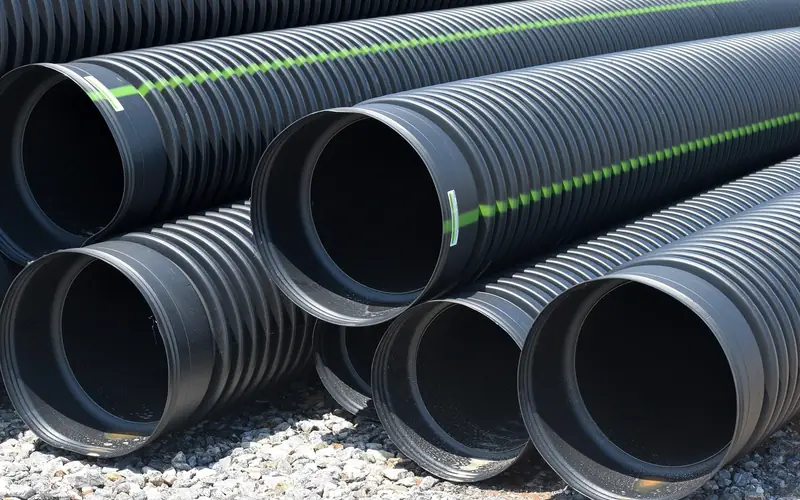
For persistent yard ponding, water against the foundation, or runoff from a neighbor, a civil engineer surveys grades, traces where water comes from, and designs a solution such as regrading, swales, French or curtain drains, catch basins, dry wells or sump discharge routing. The engineer makes sure water is not simply shifted onto a neighbor, which can create liability. Contractors then build from the drainage plan.
When you need it
- Standing water in the yard days after rain
- Water flowing toward or into the basement or crawl space
- Runoff coming from a neighbor's property or the street
- Erosion, washouts or soggy areas near a slope
- A previous French drain did not solve the problem
What you receive
- Site visit and drainage assessment
- Drainage plan with grades and pipe sizes
- Spot elevation survey
- Construction details for drains, swales or dry wells
What drives the cost
Estimate for the engineering only. Installation is separate: HomeAdvisor and Angi put typical yard drainage projects at roughly $2,100 to $7,200, French drains at $10 to $50 per linear foot, and regrading at about $500 to $5,000.
Related calculators
Frequently asked questions
How much does yard Drainage and Flooding Engineering cost?
Across the US, yard Drainage and Flooding Engineering usually costs $500 to $3,500. Estimate for the engineering only. Installation is separate: HomeAdvisor and Angi put typical yard drainage projects at roughly $2,100 to $7,200, French drains at $10 to $50 per linear foot, and regrading at about $500 to $5,000.
How long does yard Drainage and Flooding Engineering take?
Plan on 1 to 4 weeks from signed proposal to stamped deliverables, longer if a site visit, soil testing or a permit review cycle is involved.
Is a permit required for yard Drainage and Flooding Engineering?
Often not on its own, but the findings frequently lead to work that does need a permit. We tell you which parts of the follow-up work your local building department will review, and can prepare those drawings too.
Will I also need a land surveyor?
Sometimes. Depending on the site, yard Drainage and Flooding Engineering can also involve a land surveyor, landscape architect, drainage contractor or geotechnical engineer. We tell you up front which other professionals your project needs and coordinate with them so the drawings agree.
Who do you provide yard Drainage and Flooding Engineering for?
Most of our clients for this service are homeowners and contractors. Describe your project and one of our engineers will reply with scope, fee and schedule.
Should I call an engineer or a drainage contractor?
For simple problems a contractor may be enough. If water keeps returning, comes from off site, or threatens the foundation, an engineer's assessment avoids paying for the wrong fix.
Can I redirect water onto my neighbor's property?
Generally no. Many states limit altering natural drainage in ways that harm neighbors, and local codes often require runoff to stay on site or reach a drainage system.
Is a French drain always the answer?
No. French drains handle groundwater and seepage. Surface runoff is often better handled with regrading, swales and inlets.
How far should ground slope away from my house?
The International Residential Code generally calls for at least 6 in. of fall within the first 10 ft from the foundation where the lot allows.
Where we provide this service
 Alabama
 Alaska
 Arizona
 Arkansas
 California
 Colorado
 Connecticut
 Delaware
 District of Columbia
 Florida
 Georgia
 Hawaii
 Idaho
Idaho Illinois
 Indiana
 Iowa
Iowa Kansas
 Kentucky
 Louisiana
 Maine
Maine Maryland
 Massachusetts
 Michigan
 Minnesota
 Mississippi
 Missouri
 Montana
 Nebraska
 Nevada
 New Hampshire
 New Jersey
 New Mexico
 New York
 North Carolina
 North Dakota
 Ohio
Ohio Oklahoma
 Oregon
 Pennsylvania
 Rhode Island
 South Carolina
 South Dakota
 Tennessee
 Texas
Texas Utah
Utah Vermont
 Virginia
 Washington
 West Virginia
 Wisconsin
 Wyoming