Drainage, Stormwater & Flood
Detention and Retention Pond Design
Design of detention basins, retention ponds, underground storage and outlet structures to control runoff. Typical US fees run $5,000 to $50,000, and most projects take 3 to 10 weeks. Our drawings, calculations and reports are sealed by a Professional Engineer (PE) licensed in the state where your project is located, ready for permit submission.
What the work involves
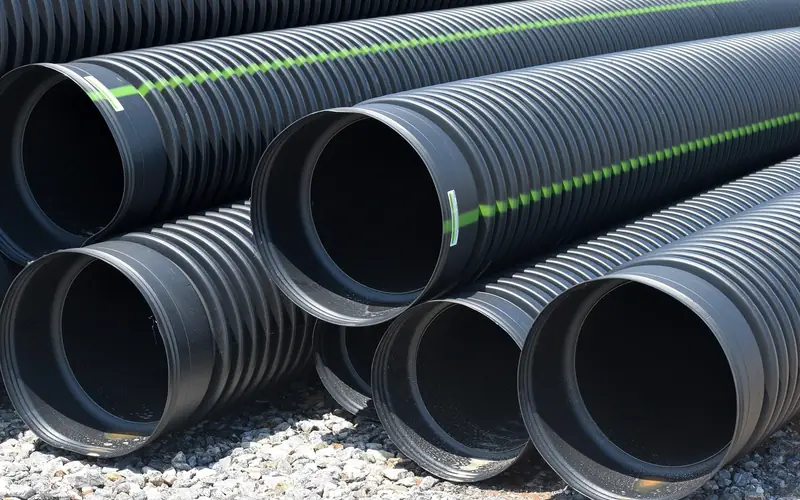
Detention basins temporarily store runoff and release it slowly; retention ponds hold a permanent pool. The engineer sizes storage, designs outlet structures and emergency spillways, checks soils for infiltration or liners, and provides maintenance guidance. Underground chambers are used where land is costly. Failing or silted ponds may need a redesign or retrofit.
When you need it
- Development requires peak flow control
- Limited space requiring underground detention
- Existing pond is silted, eroding or overflowing
- HOA or owner needs pond maintenance or retrofit plan
- Pond embankment shows seepage or slumping
What you receive
- Pond grading and outlet design
- Hydrologic and hydraulic calculations
- Spillway design
- Maintenance plan
- Retrofit or repair plans
What drives the cost
Estimate. Underground systems and dam-safety-regulated embankments cost more.
Related calculators
Frequently asked questions
How much does detention and Retention Pond Design cost?
Across the US, detention and Retention Pond Design usually costs $5,000 to $50,000. Estimate. Underground systems and dam-safety-regulated embankments cost more.
How long does detention and Retention Pond Design take?
Plan on 3 to 10 weeks from signed proposal to stamped deliverables, longer if a site visit, soil testing or a permit review cycle is involved.
Do I need a licensed PE for detention and Retention Pond Design?
In most US jurisdictions, yes. When the work needs a permit, the plans, calculations or report usually must be sealed by a Professional Engineer licensed in the state where the project is located. Every deliverable we issue for permit is sealed that way.
Will I also need a geotechnical engineer?
Sometimes. Depending on the site, detention and Retention Pond Design can also involve a geotechnical engineer or land surveyor. We tell you up front which other professionals your project needs and coordinate with them so the drawings agree.
Who do you provide detention and Retention Pond Design for?
Most of our clients for this service are developers, municipalitys and business owners. Describe your project and one of our engineers will reply with scope, fee and schedule.
What is the difference between detention and retention?
Detention empties after storms; retention keeps a permanent water level. Both control peak flows; retention ponds can also provide water quality treatment through settling.
Who is responsible for HOA ponds?
Usually the HOA under a maintenance agreement. Neglected ponds can lose capacity and fail inspection.
Can a pond embankment be a dam?
Yes. Larger embankments may fall under state dam safety rules depending on height and storage.
Why use underground detention?
It saves surface land on tight sites, though it costs more to build. Underground systems still need access for inspection and cleaning.
Where we provide this service
 Alabama
 Alaska
 Arizona
 Arkansas
 California
 Colorado
 Connecticut
 Delaware
 District of Columbia
 Florida
 Georgia
 Hawaii
 Idaho
Idaho Illinois
 Indiana
 Iowa
Iowa Kansas
 Kentucky
 Louisiana
 Maine
Maine Maryland
 Massachusetts
 Michigan
 Minnesota
 Mississippi
 Missouri
 Montana
 Nebraska
 Nevada
 New Hampshire
 New Jersey
 New Mexico
 New York
 North Carolina
 North Dakota
 Ohio
Ohio Oklahoma
 Oregon
 Pennsylvania
 Rhode Island
 South Carolina
 South Dakota
 Tennessee
 Texas
Texas Utah
Utah Vermont
 Virginia
 Washington
 West Virginia
 Wisconsin
 Wyoming