Geotechnical & Soils
Sinkhole Investigation
Ground penetrating radar, borings and engineering analysis to confirm or rule out sinkhole activity under a property. Typical US fees run $800 to $6,000, and most projects take 2 to 6 weeks.
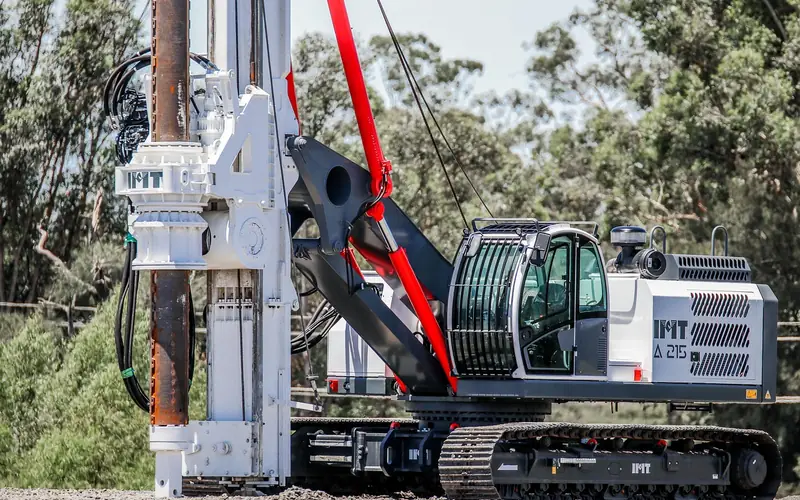
What the work involves
In karst regions such as much of Florida, parts of Pennsylvania, Kentucky, Tennessee, Missouri and Texas, sinkholes form as limestone dissolves. A geotechnical engineer or geologist uses ground penetrating radar, borings and sometimes electrical resistivity to look for voids and raveling soils, then recommends grouting, underpinning or monitoring. Florida insurance law includes specific sinkhole testing procedures.
When you need it
- Sudden depressions or holes in the yard
- New cracks with sinking floors in a karst area
- Insurance sinkhole claim or denial
- Buying property in a known sinkhole area
What you receive
- GPR survey
- Boring logs
- Sinkhole investigation report
- Remediation recommendations
What drives the cost
A Tampa Bay buyer guide cites about $800 to $1,500 for ground penetrating radar screening and several thousand dollars for a full boring study (upper figure is an estimate). Citizens Property Insurance requires policyholders who demand testing after a denial to pay 50% of the cost, up to $2,500.
Frequently asked questions
How much does sinkhole Investigation cost?
Across the US, sinkhole Investigation usually costs $800 to $6,000. A Tampa Bay buyer guide cites about $800 to $1,500 for ground penetrating radar screening and several thousand dollars for a full boring study (upper figure is an estimate). Citizens Property Insurance requires policyholders who demand testing after a denial to pay 50% of the cost, up to $2,500.
How long does sinkhole Investigation take?
Plan on 2 to 6 weeks from signed proposal to stamped deliverables, longer if a site visit, soil testing or a permit review cycle is involved.
Is a permit required for sinkhole Investigation?
Often not on its own, but the findings frequently lead to work that does need a permit. We tell you which parts of the follow-up work your local building department will review, and can prepare those drawings too.
Will I also need a geotechnical engineer?
Sometimes. Depending on the site, sinkhole Investigation can also involve a geotechnical engineer, professional geologist or grouting contractor. We tell you up front which other professionals your project needs and coordinate with them so the drawings agree.
Who do you provide sinkhole Investigation for?
Most of our clients for this service are homeowners, insurers, attorneys and lenders. Describe your project and one of our engineers will reply with scope, fee and schedule.
What are warning signs of a sinkhole?
Circular depressions, new cracks, doors sticking and pooling water in new places, especially in karst areas. Many of these signs also have other causes, which testing helps sort out.
Who pays for testing?
Usually the homeowner for pre-purchase work. Under some insurance claims, insurer rules apply; Citizens requires policyholders demanding testing to pay half, up to $2,500.
How are sinkholes fixed?
Common methods include compaction grouting and underpinning designed by an engineer. The engineer designs the repair based on investigation findings.
Where can I check sinkhole history?
State geological surveys, such as the Florida Geological Survey, keep subsidence records. Seller disclosures and insurance claim history can also reveal past activity.
Where we provide this service
 Alabama
 Alaska
 Arizona
 Arkansas
 California
 Colorado
 Connecticut
 Delaware
 District of Columbia
 Florida
 Georgia
 Hawaii
 Idaho
Idaho Illinois
 Indiana
 Iowa
Iowa Kansas
 Kentucky
 Louisiana
 Maine
Maine Maryland
 Massachusetts
 Michigan
 Minnesota
 Mississippi
 Missouri
 Montana
 Nebraska
 Nevada
 New Hampshire
 New Jersey
 New Mexico
 New York
 North Carolina
 North Dakota
 Ohio
Ohio Oklahoma
 Oregon
 Pennsylvania
 Rhode Island
 South Carolina
 South Dakota
 Tennessee
 Texas
Texas Utah
Utah Vermont
 Virginia
 Washington
 West Virginia
 Wisconsin
 Wyoming