Geotechnical & Soils
Geotechnical Report
Soil borings, lab tests and a stamped geotechnical report with foundation, pavement and earthwork recommendations. Typical US fees run $1,000 to $5,400, and most projects take 2 to 6 weeks. Our drawings, calculations and reports are sealed by a Professional Engineer (PE) licensed in the state where your project is located, ready for permit submission.
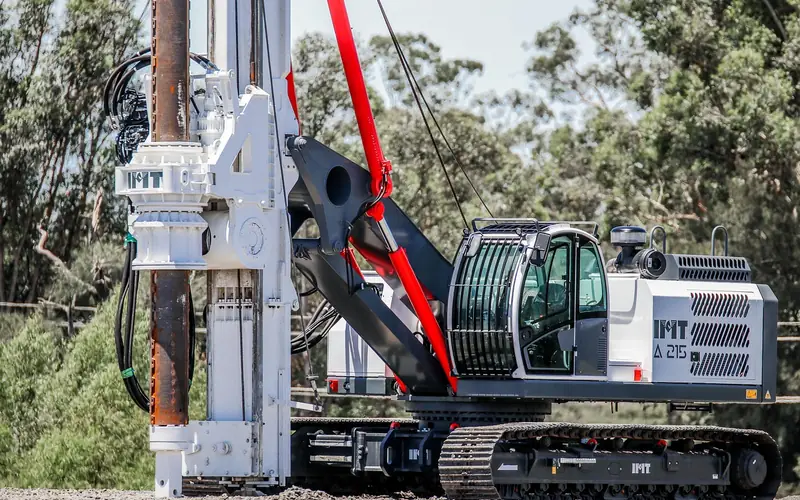
What the work involves
A geotechnical engineer drills borings or test pits, tests soil and rock samples, and reports bearing capacity, settlement, groundwater, expansive soil, seismic site class and recommendations for foundations, slabs, retaining walls and pavement. The International Building Code requires soil investigations for many buildings, and lenders and structural engineers rely on the report.
When you need it
- New commercial building or larger residential project
- Building department requires a soils report
- Expansive clay, fill, sinkhole or landslide risk
- Designing retaining walls, pavement or deep foundations
What you receive
- Boring logs
- Lab test results
- Stamped geotechnical report
- Foundation and earthwork recommendations
What drives the cost
HomeAdvisor reports $1,000 to $5,000 (average $2,700) with full surveys topping $5,400; HomeGuide cites an average near $2,900. Commercial investigations with many borings exceed these ranges.
Related calculators
Frequently asked questions
How much does geotechnical Report cost?
Across the US, geotechnical Report usually costs $1,000 to $5,400. HomeAdvisor reports $1,000 to $5,000 (average $2,700) with full surveys topping $5,400; HomeGuide cites an average near $2,900. Commercial investigations with many borings exceed these ranges.
How long does geotechnical Report take?
Plan on 2 to 6 weeks from signed proposal to stamped deliverables, longer if a site visit, soil testing or a permit review cycle is involved.
Do I need a licensed PE for geotechnical Report?
In most US jurisdictions, yes. When the work needs a permit, the plans, calculations or report usually must be sealed by a Professional Engineer licensed in the state where the project is located. Every deliverable we issue for permit is sealed that way.
Will I also need a geotechnical engineer?
Sometimes. Depending on the site, geotechnical Report can also involve a geotechnical engineer, engineering geologist or structural engineer. We tell you up front which other professionals your project needs and coordinate with them so the drawings agree.
Who do you provide geotechnical Report for?
Most of our clients for this service are developers, homeowners, contractors and architects. Describe your project and one of our engineers will reply with scope, fee and schedule.
Is a geotechnical engineer a civil engineer?
Geotechnical engineering is a specialty of civil engineering. Look for a PE with geotechnical experience.
Does a house need a geotechnical report?
Not always, but many jurisdictions require one in problem soil areas or on slopes. Lenders or builders sometimes require one even when the code does not.
How many borings are needed?
It depends on building size and site variability. The geotechnical engineer proposes the number and depth based on the project.
How long is a report valid?
There is no fixed rule, but conditions and codes change, so older reports may need updating. Ask the original engineer whether an update letter is possible.
Where we provide this service
 Alabama
 Alaska
 Arizona
 Arkansas
 California
 Colorado
 Connecticut
 Delaware
 District of Columbia
 Florida
 Georgia
 Hawaii
 Idaho
Idaho Illinois
 Indiana
 Iowa
Iowa Kansas
 Kentucky
 Louisiana
 Maine
Maine Maryland
 Massachusetts
 Michigan
 Minnesota
 Mississippi
 Missouri
 Montana
 Nebraska
 Nevada
 New Hampshire
 New Jersey
 New Mexico
 New York
 North Carolina
 North Dakota
 Ohio
Ohio Oklahoma
 Oregon
 Pennsylvania
 Rhode Island
 South Carolina
 South Dakota
 Tennessee
 Texas
Texas Utah
Utah Vermont
 Virginia
 Washington
 West Virginia
 Wisconsin
 Wyoming