Legal & Insurance
Forensic Engineering and Failure Analysis
Investigation of structural collapses, failures and accidents to determine cause, for owners, insurers and attorneys. Typical US fees run $2,500 to $50,000 per investigation, and most projects take Weeks to months.
What the work involves
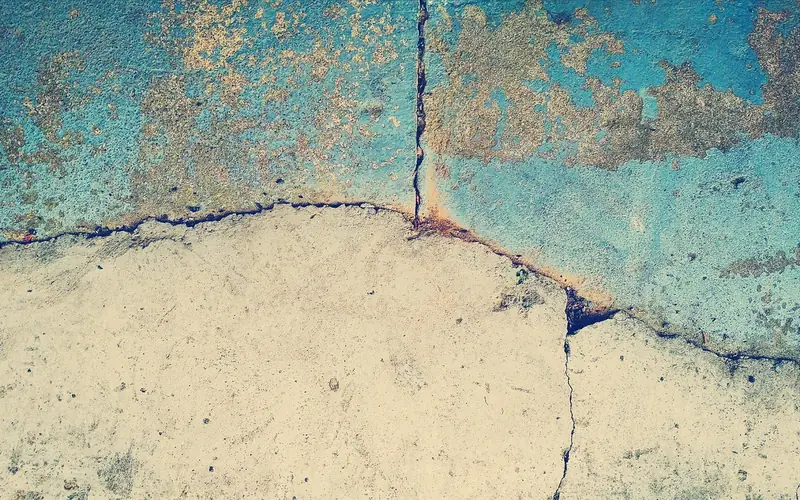
Forensic engineers investigate why a structure, wall, slope, pavement, pipe or other component failed. They document the scene, collect and test samples, review design and construction records, run calculations and identify the cause and contributing factors. Findings support insurance claims, litigation, repair design and preventing repeat failures.
When you need it
- Collapse of a structure, wall, roof or deck
- Unexplained cracking or deformation
- Pipe, culvert or pavement failure
- Accident involving a structure
What you receive
- Scene documentation
- Laboratory testing
- Failure analysis report
- Expert testimony
What drives the cost
Estimate. Ranges widely with complexity and testing; billed hourly at expert rates (see SEAK survey).
Frequently asked questions
How much does forensic Engineering and Failure Analysis cost?
Across the US, forensic Engineering and Failure Analysis usually costs $2,500 to $50,000 per investigation. Estimate. Ranges widely with complexity and testing; billed hourly at expert rates (see SEAK survey).
How long does forensic Engineering and Failure Analysis take?
Plan on Weeks to months from signed proposal to stamped deliverables, longer if a site visit, soil testing or a permit review cycle is involved.
Is a permit required for forensic Engineering and Failure Analysis?
Often not on its own, but the findings frequently lead to work that does need a permit. We tell you which parts of the follow-up work your local building department will review, and can prepare those drawings too.
Will I also need a structural engineer?
Sometimes. Depending on the site, forensic Engineering and Failure Analysis can also involve a structural engineer, geotechnical engineer, materials scientist or forensic engineer. We tell you up front which other professionals your project needs and coordinate with them so the drawings agree.
Who do you provide forensic Engineering and Failure Analysis for?
This service is typically for attorneys, insurers, business owners and municipalities. Describe your project and we will reply with scope, fee and schedule.
How soon should a forensic engineer be called?
As soon as the site is safe. Evidence is often removed or altered during cleanup and emergency repairs, and early documentation can decide the outcome of a claim.
How is evidence preserved?
Engineers photograph and measure the scene, collect samples with a documented chain of custody, and often coordinate joint inspections so all interested parties can observe. Attorneys may send preservation letters to other parties.
Is forensic engineering a separate license?
No. It is practiced by licensed professional engineers with investigation experience in the relevant discipline, such as structural or geotechnical engineering.
Can the forensic engineer also design the repair?
Often yes, which saves time. In litigation, some parties prefer separate engineers so the investigator's independence is not questioned.
Where we provide this service
 Alabama
 Alaska
 Arizona
 Arkansas
 California
 Colorado
 Connecticut
 Delaware
 District of Columbia
 Florida
 Georgia
 Hawaii
 Idaho
 Illinois
 Indiana
 Iowa
 Kansas
 Kentucky
 Louisiana
 Maine
 Maryland
 Massachusetts
 Michigan
 Minnesota
 Mississippi
 Missouri
 Montana
 Nebraska
 Nevada
 New Hampshire
 New Jersey
 New Mexico
 New York
 North Carolina
 North Dakota
 Ohio
 Oklahoma
 Oregon
 Pennsylvania
 Rhode Island
 South Carolina
 South Dakota
 Tennessee
 Texas
 Utah
 Vermont
 Virginia
 Washington
 West Virginia
 Wisconsin
 Wyoming