Foundations & Structural
Foundation Crack Evaluation
Is that crack cosmetic or structural? An engineer measures and evaluates foundation, slab and wall cracks. Typical US fees run $300 to $1,000 per inspection, and most projects take Same week visit; report in under 2 weeks.
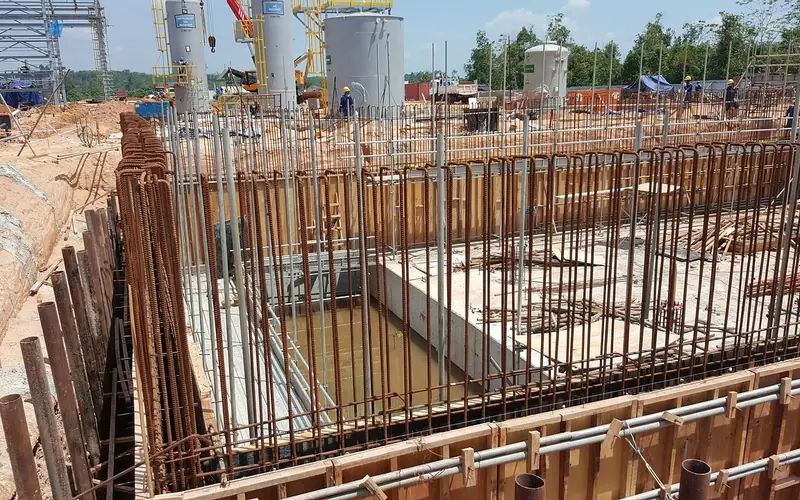
What the work involves
Not every crack is a problem. An engineer looks at crack width, pattern, displacement and whether it is active, along with related signs, to separate shrinkage cracks from settlement, heave or lateral pressure. The engineer may recommend monitoring with crack gauges, simple sealing, drainage fixes or structural repair.
When you need it
- Horizontal crack in a basement wall
- Stair-step cracks in block or brick
- Crack wider than about 1/4 in. or with one side offset
- Cracks that are growing or reopening
- Slab cracks with heaving or sinking
What you receive
- Crack mapping and measurement
- Written assessment
- Monitoring plan
- Repair recommendations
What drives the cost
Estimate based on Fixr ($300 to $600) and This Old House ($300 to $1,000) inspection ranges. Simple crack repair runs about $250 to $800 per Angi.
Frequently asked questions
How much does foundation Crack Evaluation cost?
Across the US, foundation Crack Evaluation usually costs $300 to $1,000 per inspection. Estimate based on Fixr ($300 to $600) and This Old House ($300 to $1,000) inspection ranges. Simple crack repair runs about $250 to $800 per Angi.
How long does foundation Crack Evaluation take?
Plan on Same week visit; report in under 2 weeks from signed proposal to stamped deliverables, longer if a site visit, soil testing or a permit review cycle is involved.
Is a permit required for foundation Crack Evaluation?
Often not on its own, but the findings frequently lead to work that does need a permit. We tell you which parts of the follow-up work your local building department will review, and can prepare those drawings too.
Will I also need a structural engineer?
Sometimes. Depending on the site, foundation Crack Evaluation can also involve a structural engineer, home inspector or foundation repair contractor. We tell you up front which other professionals your project needs and coordinate with them so the drawings agree.
Who do you provide foundation Crack Evaluation for?
Most of our clients for this service are homeowners, lenders and insurers. Describe your project and one of our engineers will reply with scope, fee and schedule.
Are hairline vertical cracks normal?
Thin vertical cracks in poured concrete are often caused by shrinkage and are commonly not structural, but an engineer can confirm. Sealing them can still help keep water out.
Why are horizontal cracks a concern?
Horizontal cracks in basement walls often indicate soil or water pressure pushing the wall inward. They should be evaluated promptly, especially if the wall is bowing.
How do I know if a crack is active?
Engineers use crack monitors or repeat measurements over months to see movement. Photos with a ruler and dates are a simple way to track changes yourself.
Can epoxy fix my crack?
Injection can seal and bond some cracks, but it will not fix the cause of ongoing movement. Polyurethane injection is often used when the goal is stopping water rather than restoring strength.
Where we provide this service
 Alabama
 Alaska
 Arizona
 Arkansas
 California
 Colorado
 Connecticut
 Delaware
 District of Columbia
 Florida
 Georgia
 Hawaii
 Idaho
Idaho Illinois
 Indiana
 Iowa
Iowa Kansas
 Kentucky
 Louisiana
 Maine
Maine Maryland
 Massachusetts
 Michigan
 Minnesota
 Mississippi
 Missouri
 Montana
 Nebraska
 Nevada
 New Hampshire
 New Jersey
 New Mexico
 New York
 North Carolina
 North Dakota
 Ohio
Ohio Oklahoma
 Oregon
 Pennsylvania
 Rhode Island
 South Carolina
 South Dakota
 Tennessee
 Texas
Texas Utah
Utah Vermont
 Virginia
 Washington
 West Virginia
 Wisconsin
 Wyoming